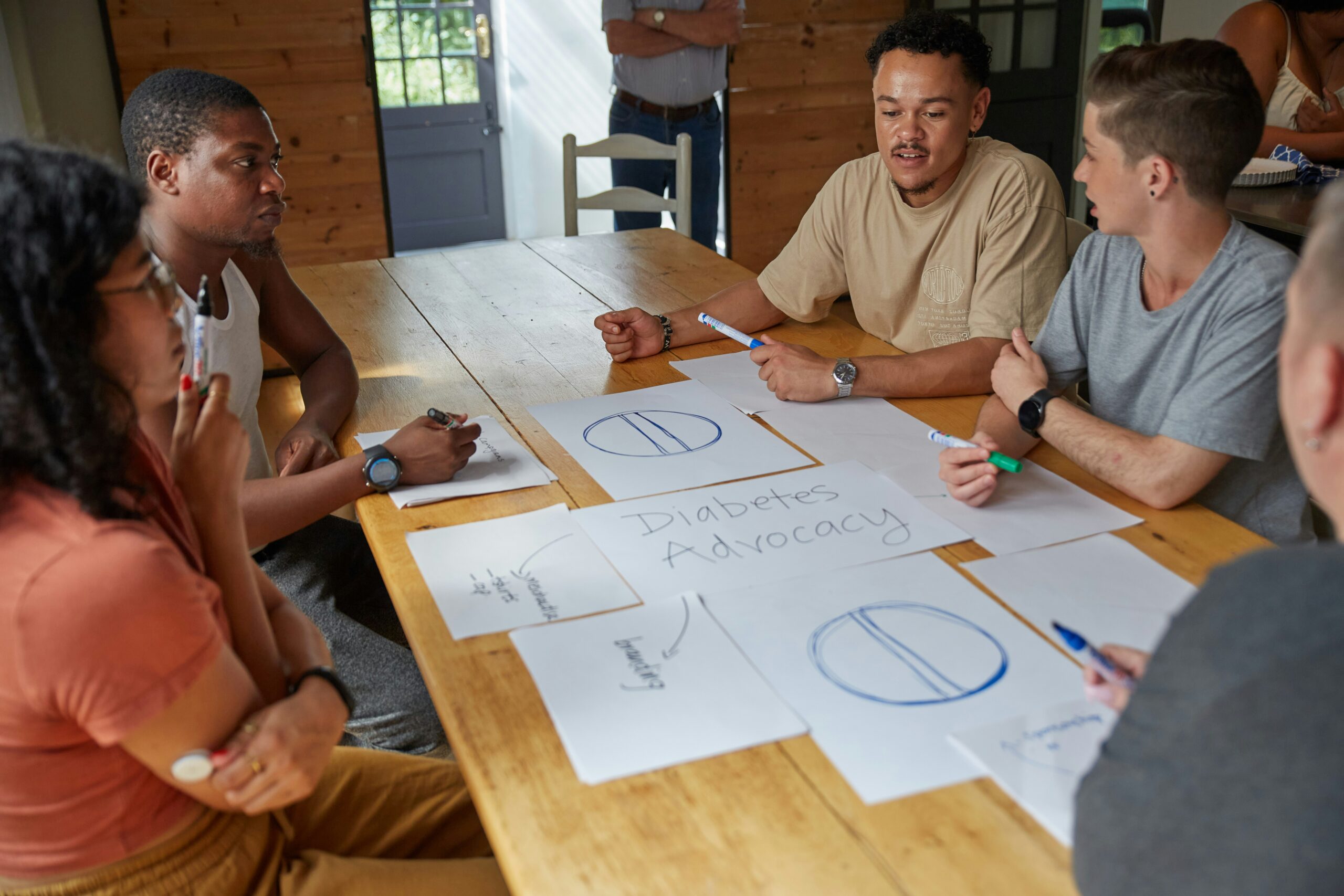
Successful projects depend on more than individual skills. They require people with different backgrounds to work toward shared goals. In today’s modern workplace, organizations often bring together professionals from various fields to solve complex problems. However, these experts may have different ideas, work habits, and ways of sharing information. As a result, connecting diverse expertise becomes essential for achieving better project outcomes. When team members exchange knowledge and respect different views, they can make smarter decisions, reduce mistakes, and improve overall performance. Moreover, effective collaboration helps organizations use their available resources while building stronger professional relationships.
Understanding the Value of Diverse Expertise
Every professional brings unique knowledge, skills, and experiences to a project. For example, technical experts may focus on system performance, while managers consider budgets, schedules, and business goals. Meanwhile, creative professionals may suggest fresh ideas that improve the final result. When these perspectives come together, teams gain a broader understanding of project needs. This shared knowledge helps them identify challenges early and develop practical solutions.
Diverse expertise also supports better problem-solving. Instead of relying on a single viewpoint, teams can compare different approaches before making decisions. This process reduces blind spots and encourages thoughtful planning. As a result, organizations can improve project quality while creating an environment where every team member feels valued.
Building Clear Communication Across Teams
Clear communication plays a major role in successful teamwork. Professionals from different departments may use specialized terms or follow different work methods. Therefore, teams should establish simple communication practices that everyone can understand. Regular meetings, clear instructions, and shared project updates help prevent confusion. In addition, team members should feel comfortable asking questions when information seems unclear.
Active listening also strengthens communication. When professionals listen carefully, they better understand other perspectives. Moreover, respectful discussions encourage people to share concerns before small problems become serious issues. By maintaining open communication, teams can build trust, improve coordination, and keep projects moving toward their goals.
Creating Shared Goals and Clear Responsibilities
A successful project begins with a clear purpose. Although team members may have different responsibilities, everyone should understand the desired outcome. Therefore, project leaders must explain the main objectives and show how each person’s work supports the larger mission. This approach helps professionals connect their individual efforts with shared success.
Clear responsibilities also reduce confusion. When employees understand their roles, they can manage tasks more effectively and avoid repeating work. However, teams should remain flexible when unexpected challenges arise. By combining clear expectations with a willingness to help others, organizations can maintain progress and improve overall project efficiency.
Encouraging Knowledge Sharing and Continuous Learning
Knowledge sharing lets teams benefit from every member’s experience. For instance, an experienced specialist may explain a technical issue to colleagues who work in other areas. Similarly, a marketing professional may provide customer insights that help product teams make better choices. These exchanges improve understanding and support informed decisions.
Additionally, organizations should create opportunities for continuous learning. Training sessions, group discussions, and shared resources can help employees develop new skills. When professionals learn from each other, they become more adaptable and confident. As a result, teams can respond to changing project demands without depending too heavily on individual experts.
Strengthening Trust Through Professional Collaboration
Trust forms the foundation of productive teamwork. Without trust, professionals may hesitate to share ideas, ask questions, or admit mistakes. Therefore, leaders should encourage honesty, fairness, and mutual respect. When team members feel safe expressing their opinions, they are more likely to contribute useful insights.
Moreover, trust grows when people follow through on their commitments. Meeting deadlines, providing accurate updates, and offering support demonstrate reliability. These actions strengthen working relationships and reduce unnecessary conflict. Over time, a culture of trust makes it easier for professionals from different fields to cooperate and solve problems together.
Improving Decision-Making With Different Perspectives
Complex projects often require decisions that affect several departments. Therefore, involving professionals with different areas of expertise can improve decision-making. Each specialist may identify risks or opportunities that others overlook. By reviewing these insights together, teams can choose solutions that support both immediate needs and long-term goals.
However, different opinions can sometimes lead to disagreement. Instead of avoiding these discussions, teams should treat them as opportunities to examine ideas carefully. Respectful debate helps people question assumptions and consider alternatives. As a result, organizations can make stronger decisions while reducing the risk of costly mistakes.
Using Technology to Support Team Coordination
Modern technology makes it easier for professionals to collaborate across departments and locations. Shared workspaces, project management platforms, and communication tools help teams exchange information quickly. These systems also provide clear records of tasks, deadlines, and project updates. This visibility lets employees track progress without waiting for repeated meetings.
Nevertheless, technology works best when teams establish clear guidelines for its use. Too many communication channels can create confusion and slow progress. Therefore, organizations should choose practical tools that match their project needs. When teams use technology with purpose, they can improve coordination, save time, and maintain consistent communication.
Managing Challenges in Multidisciplinary Projects
Working with professionals from different backgrounds can create challenges. Team members may have different priorities, expectations, or approaches to solving problems. For example, a technical specialist may focus on accuracy, while a project manager emphasizes delivery schedules. Although both goals matter, these differences can create tension without clear communication.
To address these issues, leaders should encourage cooperation and establish fair ways to resolve disagreements. Regular feedback sessions can help teams identify concerns before they affect performance. Furthermore, setting shared priorities allows professionals to balance competing demands. With thoughtful leadership, diverse teams can turn potential conflicts into opportunities for improvement.